
Summer gardens may have been abandoned this year because sustained high temperatures and prol onged dry spells resulted in disappointing crops. There was just insufficient water to keep plants thriving in sustained 100-plus degree days.
But as temperatures moderate some of us have a restored motivation to get back into the garden and plant fall crops. Fall gardens should be planted within the next two weeks before September. There is still an approximate 75-day growing season before our average first freeze date of October 31.
Even though temperatures are still high, it is time to plan and plant fall crops. Plant many of the same cool season crops that are grown in a spring garden. The quality of fall crops is usually superior to springgrown crops because the crops are maturing as days cool. If you haven’t tried fall gardening, it is one of the most satisfying times of year to be outside.
Crop choice: Fall crops require less space than summer crops and grow well during the autumn months. Here are some potential cool season crops for fall gardens: Root crops like beets, carrots, radishes, rutabagas, and turnips.
Lettuces. Bibb lettuce is surprisingly hardy, Romaine is also a good choice as are red and green leaf lettuces.
Greens like arugula, mizuna, Chinese cabbages, collards, kale, mustards, spinach and Swiss chard.
Land preparation: Discard summer crops that are in decline; remove lingering weeds; till the ground and amend with organic matter. It is important to have the soil free of clumps because most seeds of cool season crops are tiny and will struggle to establish in uneven ground.
Crop Rotation: Alternate families. The general rule is to allow three years before planting crops of the same family in the same ground. Many soil pathogens are host-specific and generally infect plants within a botanic family. The most common cool season families: Alliaceae: garlic, leek, onion
Apiaceae: carrot, dill, parsley, parsnip
Asteraceae: chicory, endive, lettuces
Brassicaceae: arugula, Asian greens, cabbage, Chinese cabbage, collards, kale, mustard, radish, turnips Chenopodiaceae: beets, spinach, Swiss chard
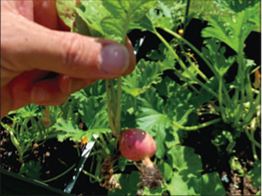
An FYI: radishes have the shortest maturation. Gardeners wanting a quick crop, try several varieties of radish. The tops are edible also, so they make a two-for-one crop. Come October, gardeners will be glad they braved the summer heat and planned for a fall harvest.